


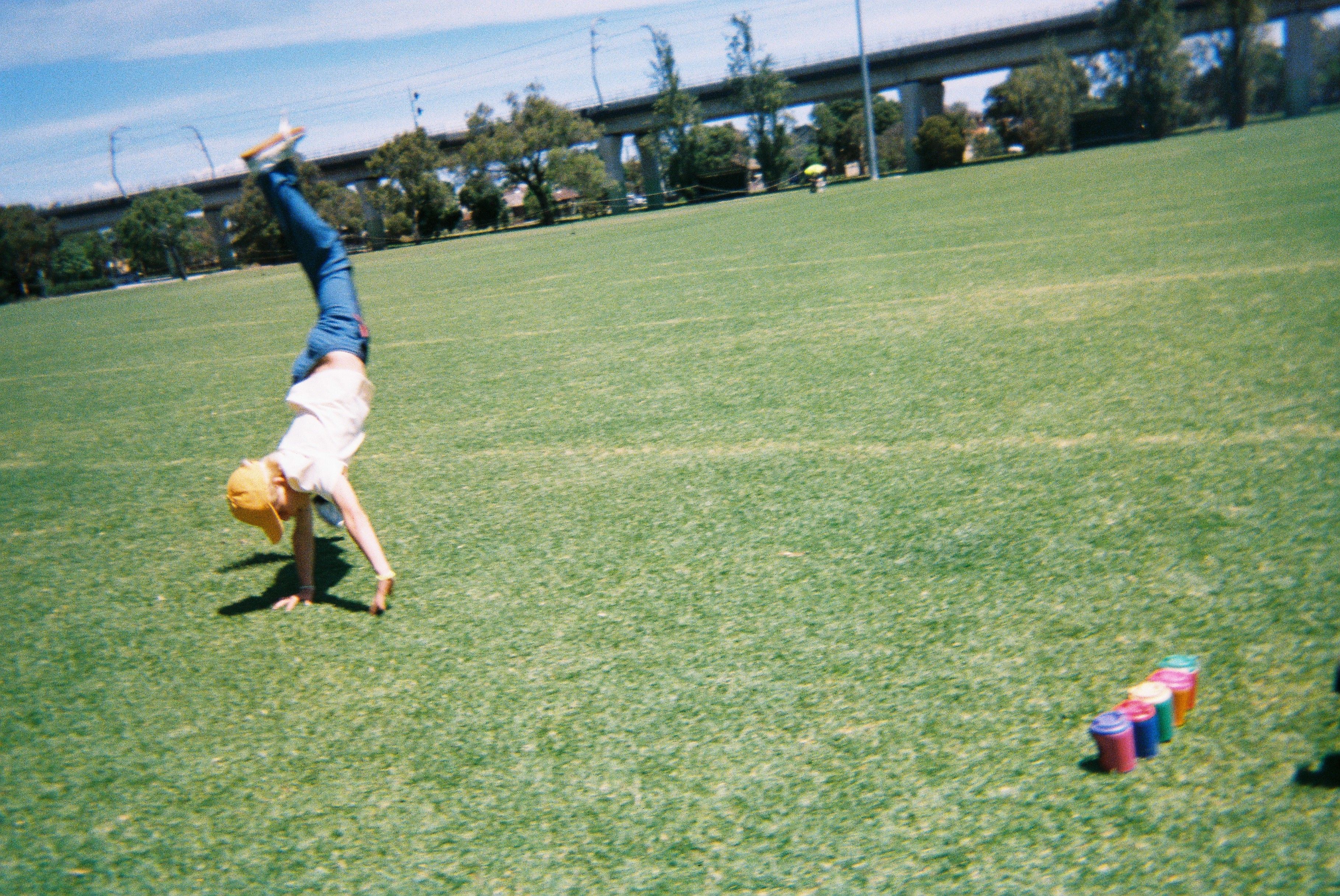
In the busy rhythm of family life, play can sometimes feel like an “extra” something to fit in after the school runs, the packed lunch prep, and the endless list of things that need doing. But what makes play SO important during childhood and what do we actually need to engage in play with our children?
Through our brand new kids REMIX range, we wanted to capture the joy and freedom of play - creating something that supports kids as they play, explore, and grow through everyday adventures, but we also knew there was more to play than just fun and keeping little ones entertained.
To explore this more deeply, we spoke with occupational therapist Lisa from Splash Pediatric Therapy to learn why play matters so much, and how families can make space for it in a way that feels realistic.

According to Lisa, play is at the very heart of development and deserves to be protected, not just in childhood, but throughout life. In fact, according to the United Nations Convention on the Rights Of The Child, play is considered a fundamental human right. As Lisa explains, it's how children grow, connect, and understand the world around them. “Play has been proven to increase neural connections in the brain” supporting children as they learn, communicate, and build confidence. “It supports their cognitive development, their language skills, fine motor skills, and their connection and social interaction skills with other children and adults around them."
Play isn’t just something children do to pass the time, it’s one of the most powerful tools for learning and development. Through play, children develop language as they tell stories and express ideas. They refine fine motor skills as they stack, draw, pour, and explore with their hands, and they practise social connection as they learn to share, negotiate, empathise, and relate to others. Play is where so many of childhood’s most important lessons begin, often without children even realising they are learning.
Risky Play: Why It’s Healthy (and Why It Makes Parents Nervous)
Risky play is active, challenging play that includes manageable risk, like climbing a tree, balancing on a rock, or testing limits eg how high is “too high”
When we hear the term “risky play,” it can trigger anxiety, but research tells us that this kind of play is so important because it helps kids build real-life skills through movement. When supported correctly, risky play supports balance, coordination, body awareness, confidence, problem-solving, and even emotional resilience - kids learn what their bodies can do, how to make decisions, and how to handle a little fear in a safe way.
So why do parents worry? As parents we’re hard wired to protect our kids, and modern parenting culture often treats any risk as danger. But experts encourage a better mindset: remove the serious hazards, and let kids have the healthy challenges, because when children get the chance to test themselves (with support nearby), they don’t just become braver - they become more capable.
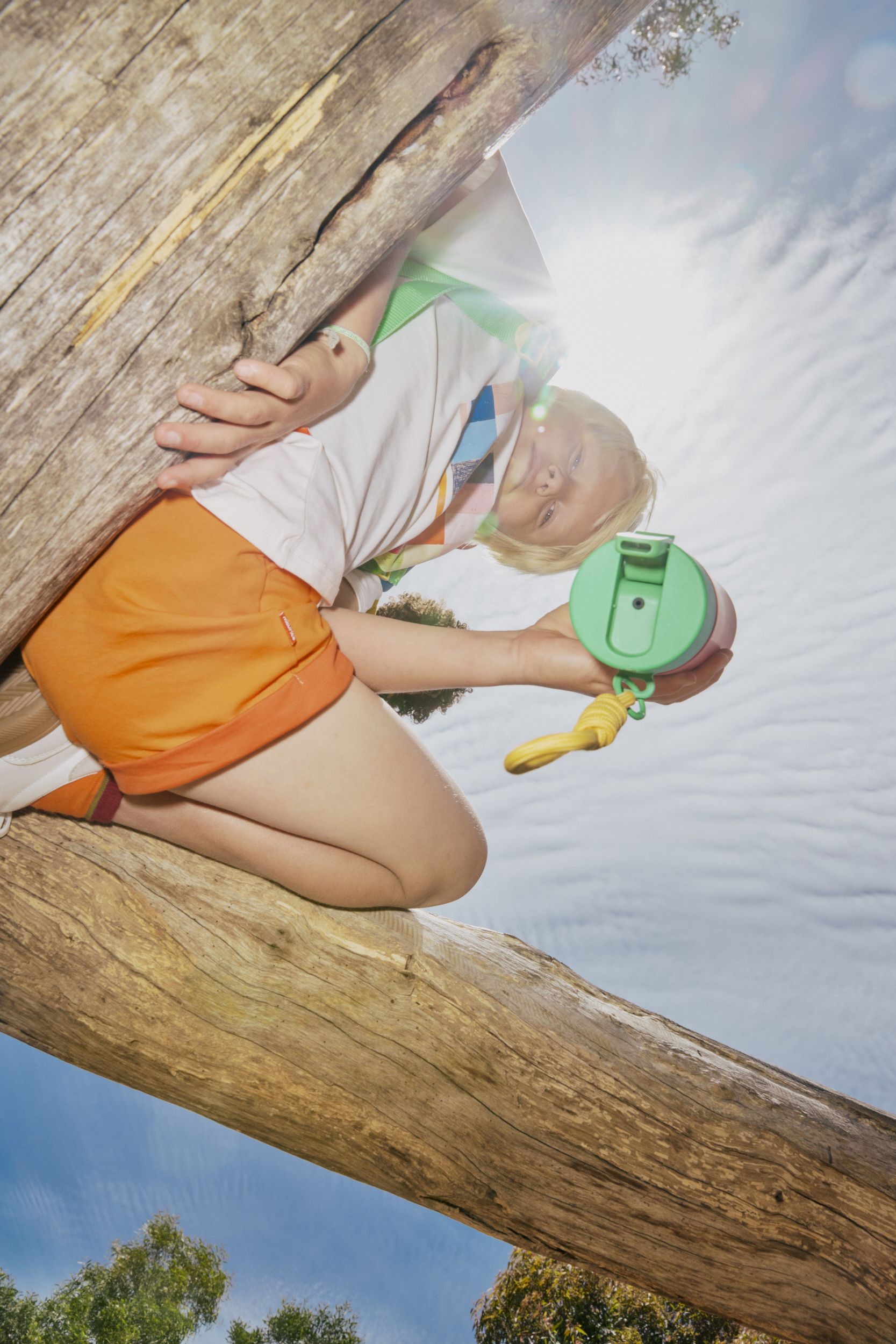
How busy parents can fit play into everyday life.
If you’re a busy working parent, you’ve likely felt the pangs of guilt and worry that there’s just not enough time in your schedule to fit in play with your children, But Lisa gently reminds us that play can naturally unfold through everyday family activities. It can be as simple as turning the drive to daycare or a walk into a game: “Whether it be when you're driving in the car or walking somewhere together, you could incorporate a game of I Spy or chasey,” or even try a bit of role-playing while setting the table for mealtimes.
These moments don’t require toys, extra planning, or additional time and are natural play opportunities that can come up through your everyday routines. Lisa says the key is simply to notice them: “So, just remember to keep an eye out for them. Watch what your children are doing during these times and think about how play can occur through these everyday tasks.”
Do You Need Toys to Play With Your Kids?
The beautiful truth is that meaningful play doesn’t require expensive instagram worthy toys or perfectly curated activities. Some of the most imaginative play comes from everyday life.
Lisa explains often when they are supporting children in play, some of the most creative and imaginative play comes through everyday objects. As children develop, they begin using a skill called object substitution where an ordinary item becomes something entirely new. For example, pieces of fruit, like a banana can turn into a phone, a saucepan can become a drum, sticks and flowers become the start of a fairy garden. “We also see children use the natural environment outside for playing things like, hide and seek, climbing trees, and using the natural environment around them to play”
So remember, play lives in the simple moments: in the backyard, in the kitchen, on the walk to school. It is less about what you buy, and more about what you allow space for.
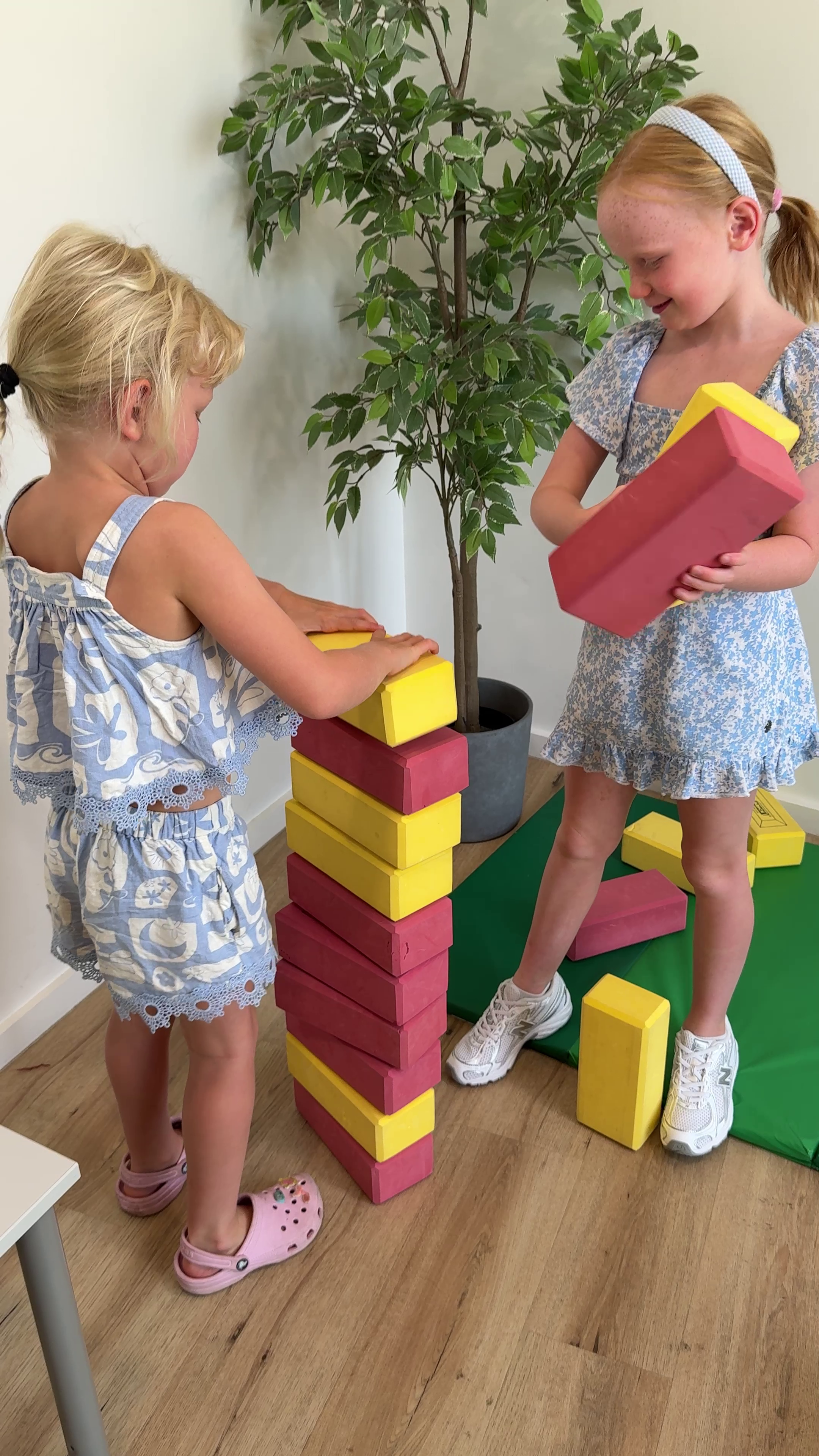
Lisa’s top 3 tips for playing with your kids
Lisa reminds us that play doesn’t have to be prescriptive. It’s just for fun. It might look structured on the floor, or it might be loud and playful outside. What matters most is that it’s meaningful to your child and to you.
Here are three simple ways she suggests stepping into your child’s play:
1. Just observe
Before jumping in, simply watch. Notice what your child is doing, what they’re interested in, and how they’re playing. This helps you enter their world instead of redirecting it.
2. Narrate what your child is doing
You don’t need to take over. Try describing their play to show you’re present and engaged. For example, if they’re building a tower, you might say, “I can see you’re building a tall wall of bricks.” This builds language skills and connection without interrupting their flow.
3. Just get involved
If your child is young and playing on the floor, sit down beside them and join in. If they’re older and playing outside, step into whatever they’re doing. If they’re kicking a ball, you might catch it, rebound it, or pass it back to keep the game going. It doesn’t have to be elaborate - simply being there is enough.
A Gentle Reminder for Parents
Play does not need to be another thing to feel guilty about. It doesn’t have to be big or structured to matter. When we make room for imagination in the everyday, we give children something lasting - not just joy, but courage, creativity, and connection. Play isn’t something children do, it’s something that just happens.