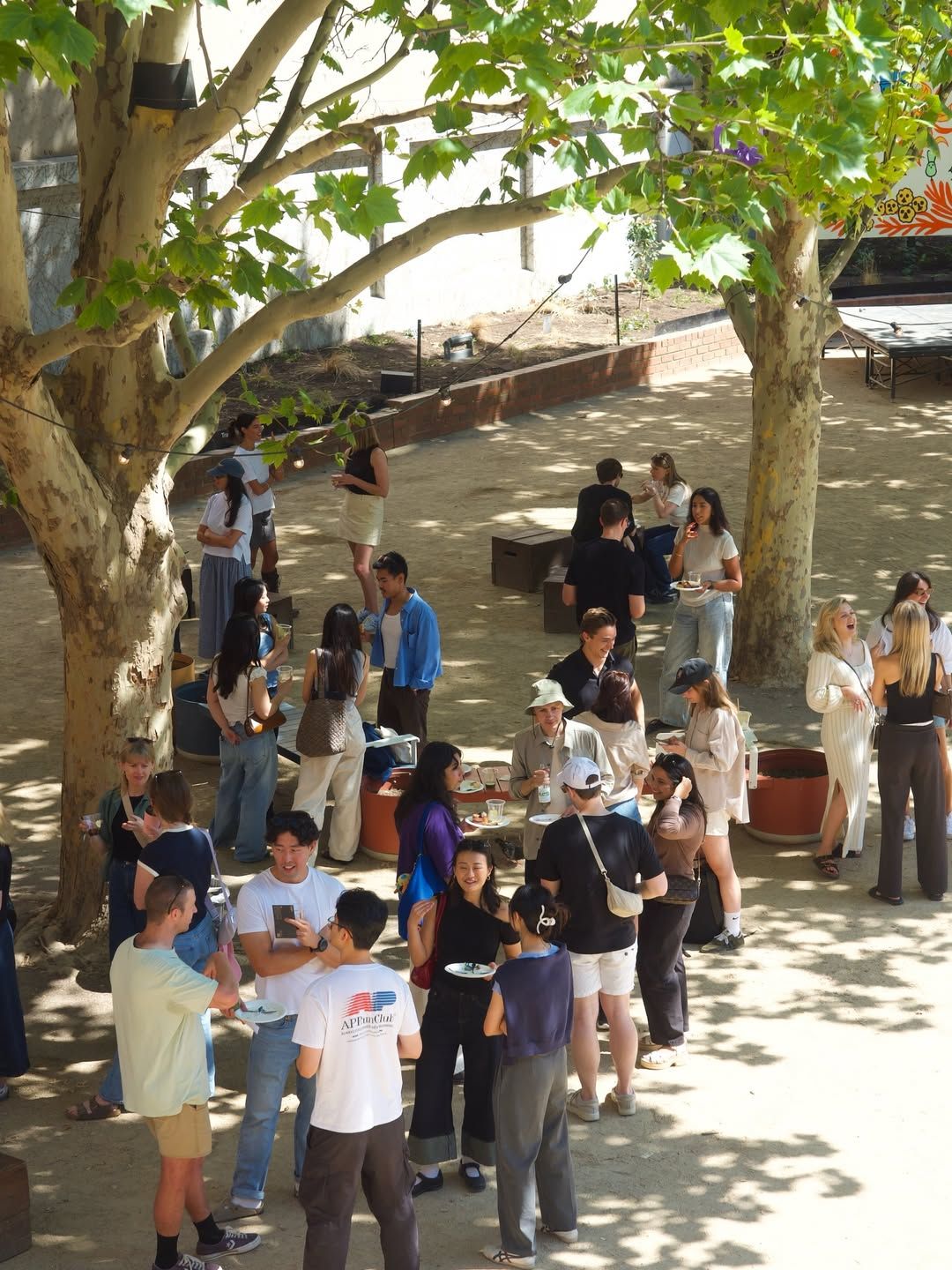
Life has a sneaky habit of eroding your social life before you’ve even noticed. For years, schools, universities, and even your first job were the glue, effortlessly handing you the connections that formed the foundation of your social life.
The friends you used to see for a midweek quiz, a $12 steak night, or call for a last-minute gig are still around; they might have just moved somewhere new, started a job with different hours, or fallen into a routine that no longer overlaps with yours. Social events that once happened naturally now often rely on calendars, group chats and several rounds of “when are you free?”
Nothing went wrong, but the easy built-in conditions for friendship are no longer doing the work for us. Yet, the city hasn't slowed down. The events are still happening, and the appetite to get out hasn't gone anywhere. What's missing is the mechanism. That’s the problem Butter set out to solve.
Butter founder Sam Richardson left a decade-long brand strategy career - David Jones, L'Oréal, Medibank - after realising that the difficulty of building the social life you actually want is structural. The spaces that used to do the work stopped existing. During Melbourne's lockdown, she taught herself to code and built the first version of Butter - An app designed to help bridge this gap herself.
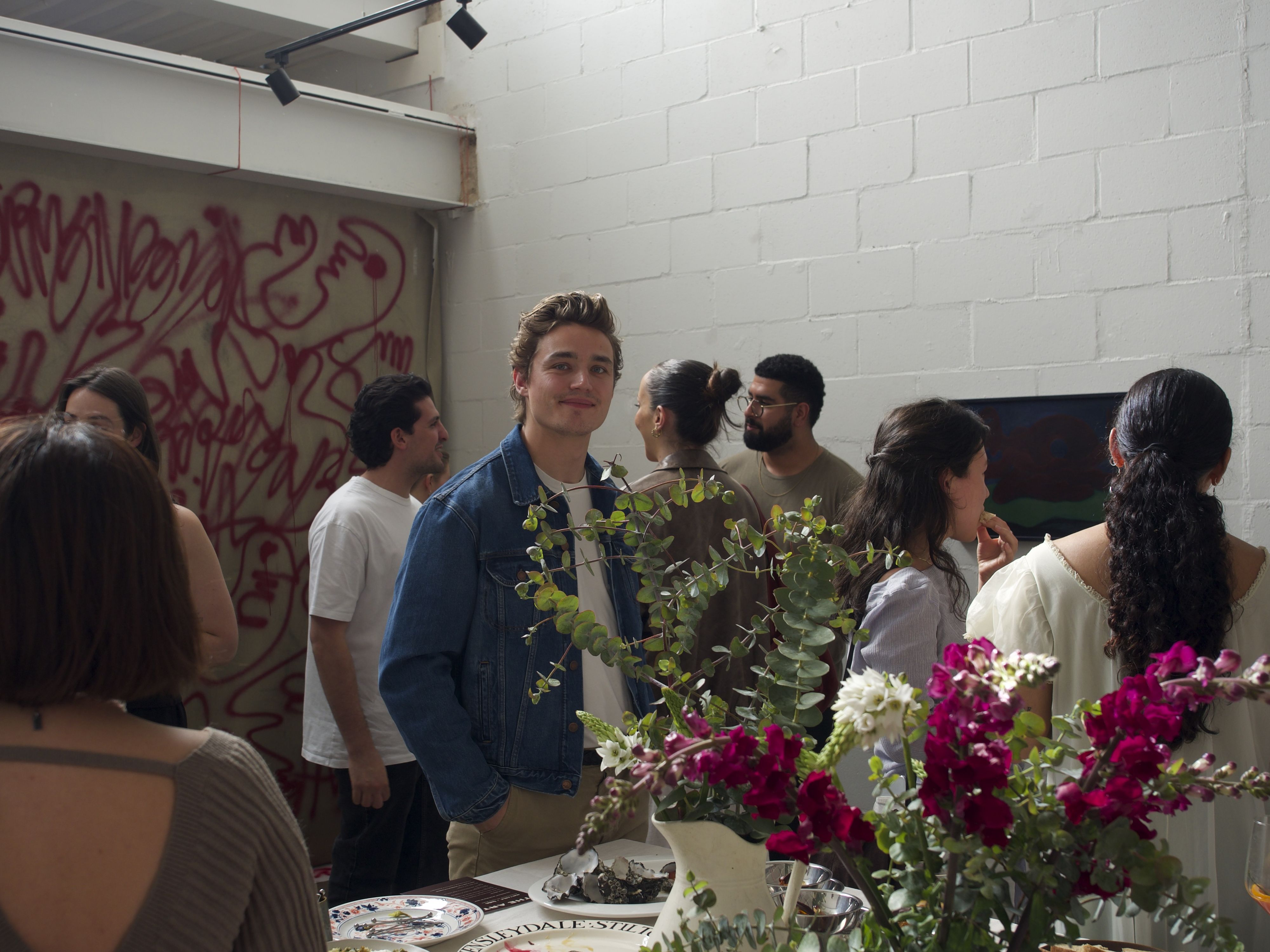
Using an app on your smartphone to spend less time on it sounds like an oxymoron; You go online to make plans that happen offline, and in the real world. But that’s the whole point. Butter sees the phone as the starting point, not the destination. They even measure success by how quickly people close the app and get on with their day.
Butter skips the “small talk through a screen” phase of other apps. You simply join a plan happening nearby or curate your own. The activity comes first, which takes the pressure off everyone. And if you’re the one, making a plan, you pick who joins it. Plans aren’t open invites, you see who’s asked to come along and you decide. That’s why people actually feel comfortable throwing an idea out there. You aren't declaring that you're looking for a new best friend - you’re just making a plan around something you enjoy and seeing who shows up. Butter plans exist specifically for meeting new people, so there's no established group to break into and nobody is anybody's plus-one. Turning up on your own is the default here, not the brave option.
Butter is now home to tens of thousands of people and social clubs across Sydney and Melbourne. Once you’re in, you land on a feed of local plans - Friday pasta club, after-work drinks, complete with when, where, who else is going, and a group chat with the guest list and host.
The week you want doesn't have to wait for four other calendars to line up. Something to show up for, and a few good people to meet you there - and Butter turns the idea into a plan.

Sam: The coordination tax is the one nobody names. Every group has a person doing the admin - the poll, the venue, the fourth round of "when are you free" - and eventually that person stops offering. The plan dies because the organiser got tired, not because anyone drifted.
The second is that a plan with nothing attached to it has to justify itself. If the entire point of Thursday is the friendship, you both arrive carrying the pressure of making it worth the trip. Put something at the centre - a walk, a swim, someone's kitchen - and that pressure disappears.
And Instagram convinces you you're across someone's life when you haven't had a real conversation with them since last year, so you never make the call.
Sam: I was watching ‘Catch me if you Can’ with Leo + Tom Hanks. There’s a scene where Leo tells the story of 2 mice that fall into a bucket of milk - one drowns and the other swims so hard that he churns the milk into butter and climbs out. It resonated, so that was that!
Sam: I'd moved cities six times by 25. Each time I'd arrive knowing exactly the life I wanted - the Sunday markets, the tennis, the long dinners that go til midnight - and be missing the people to do any of it with. It wasn’t necessarily ‘making friends as an adult’ though, because I had friends. It was more that we were growing and changing so quickly, that we ended up becoming almost a time capsule of the people we were at a specific moment in time, vs. who we wanted to be and who we were becoming. I filed that away as a me problem. Something I was bad at.
That changed on my bedroom floor during Melbourne's lockdowns. I was doing brand strategy in my day job and I finally looked at the problem properly. There's infrastructure for dating, for work, for content. Nobody had rebuilt real life. Once you see it as missing infrastructure rather than a personal shortcoming, it stops being embarrassing and starts being solvable. So I taught myself to code and built the thing I needed.
Sam: Apps in that category put a person in front of you and ask you to evaluate them. That's a job interview with better photos. Butter puts a plan in front of you - Thursday run club in Fitzroy, a pasta night in Carlton, life drawing on Sunday - and asks whether you want to do the thing. Who's there is the byproduct.
You also choose your own room. Host a plan and you pick who joins it rather than opening your Sunday to whoever clicks first, which is a large part of why people are willing to put an idea out there at all.
The real-world part is built into the mechanics. Every plan has a date, a time, an address and a cap on numbers. There's no version of the product where you scroll for an hour and feel like you participated in something. The only thing you can do with a plan is turn up to it.
Sam: A profile asks you to declare something enormous - this is who I am, please assess me. And the implied ask sitting underneath any profile like that is "I would like you to be my friend," which is a lot to put on a stranger before you've met.
A plan asks almost nothing of you. You're saying you'd like to go to a ceramics class on Wednesday. That's the whole commitment. If it's great, you go again. If it isn't, you did a ceramics class.
No one has ever made a friend irl based on their physical appearance - so why other apps distil it down to a perfectly-curated profile is beyond me.
Sam: In practice, the numbers on our wall are attendance and clubs joined, not minutes in app or daily sessions. If someone opens Butter, finds a Sunday hike and closes it 90 seconds later, that's the product working exactly as designed. Structurally, the feed has an end, there's no algorithm rewarding you for staying, and notifications are tied to real plans with real times rather than manufactured activity.
Browsing still does genuine work - a lot of people get value simply from knowing what's on near them. We protect that. Attention for its own sake is the thing we don't chase.
Social media replaced intimacy with interaction, and most of us accepted that without noticing it happening. You see someone's holiday, their new kitchen, their Sunday morning. Your brain files it as contact, even though you haven't spoken in months.
Underneath that, the physical infrastructure went first. The pub you could walk to, the club with an actual clubhouse, the hall someone's mum ran on Wednesdays - those have been thinning out for decades. Once you're out of school or uni, there's no room you get automatically put in with people your age.
So you end up with an extremely high-res picture of everyone's life and nowhere to actually hang out with them. That gap is the entire problem.
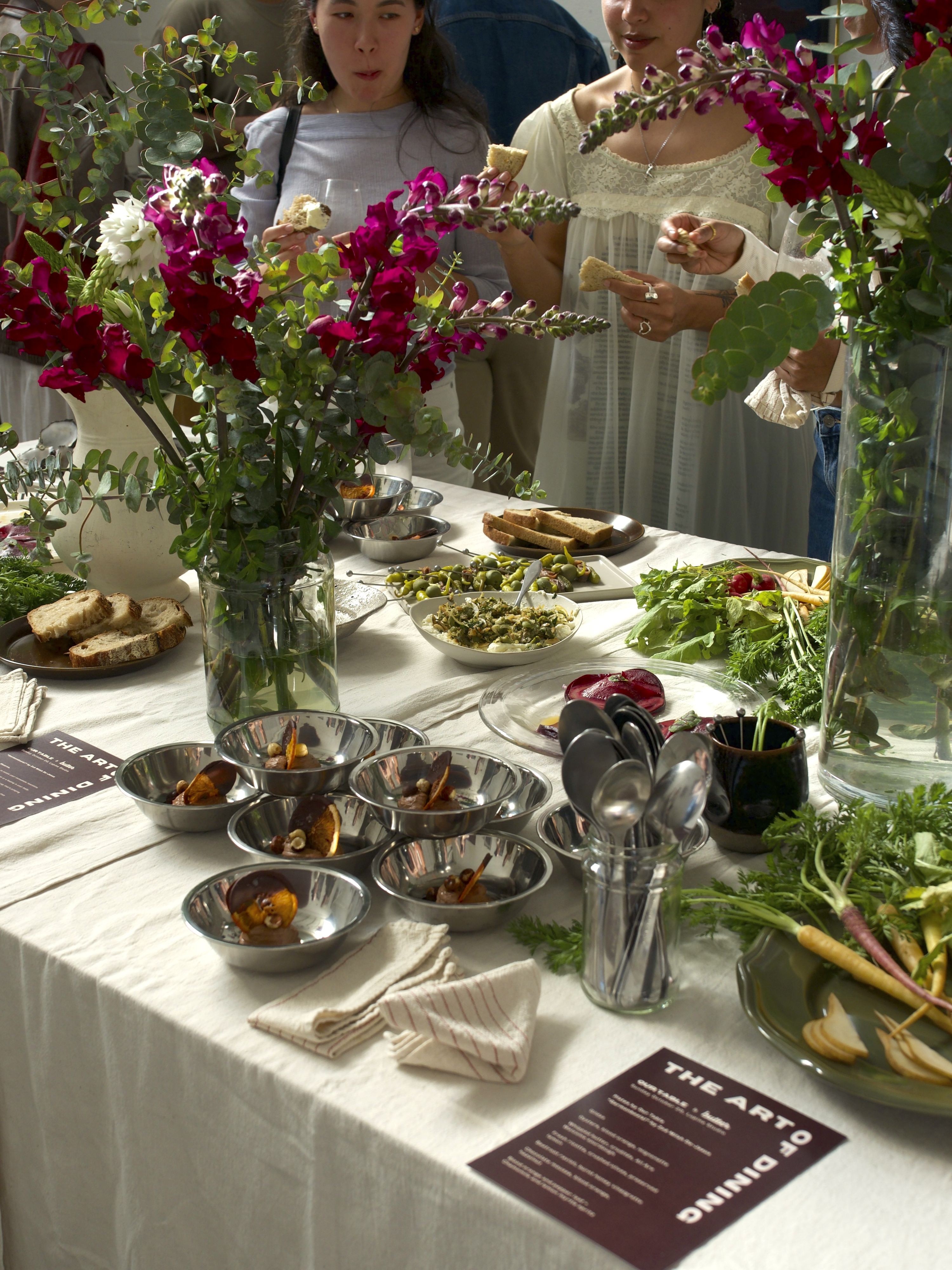
Sam: Always food-based plans - dinner clubs, coffees + walks, at-home cafes - people love gathering around food. We also see a lot of trend-based plans, trivia nights, hikes, even tarot card readings - something takes off and everyone else catches on to make their own iteration.
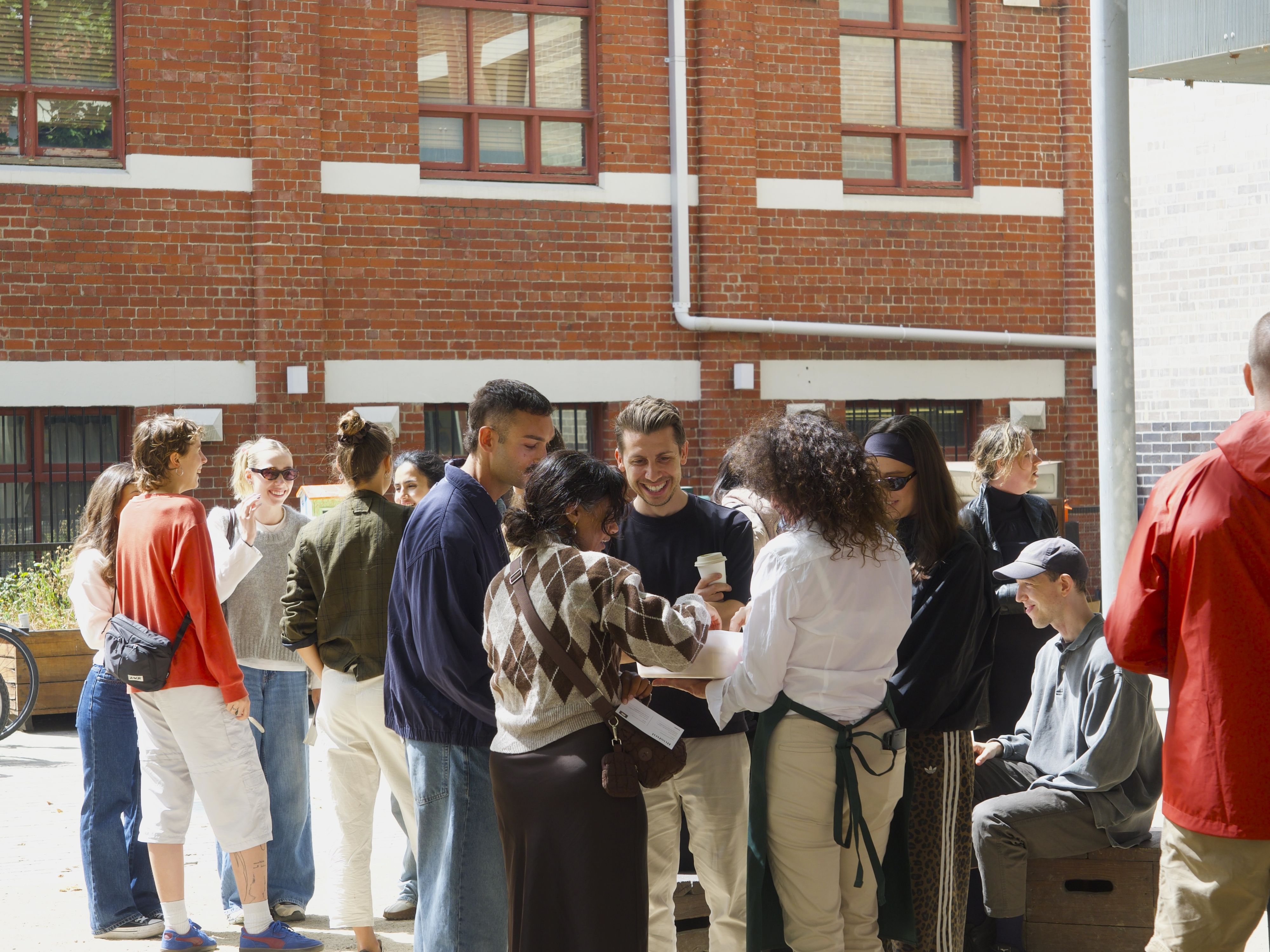
Sam: A 100-person Halloween house party last year. Organised by a normal person - not a brand or club - and found 100 other 20 year olds who were looking for plans for the holiday.
Sam: Pick a plan for something you'd do on your own anyway. If you'd happily go to a bouldering session solo, going to one where 8 other people also RSVP’d is a much smaller step than it feels from the outside - you were already going, there are just people there now.
Choose something with structure for your first one. A class, a hike, anything with a task in it. Nobody has to generate conversation out of thin air, and there's a natural finish time, which takes an enormous amount of pressure off. Open-ended drinks with strangers is a hard first outing. A 90-minute pottery class where you leave with something cool is not.
Every other person there pressed the same ‘RSVP’ button you did. Butter plans exist specifically for meeting new people, so there's no established group to break into and nobody is anybody's plus-one - everyone came on their own, and most of them are more nervous than they look.
Sam: I want people to stop treating their social life as something that happens to them. Most of us inherited our friends - school, uni, the first job - and when that supply runs out we stop expecting the next set to arrive.
What I want is for a 26-year-old to think "I want to learn to surf" and for the next thought to be about which morning, not about who they could possibly ask.
At a systems level, making a plan on Butter should feel as ordinary as sending a message on WhatsApp. We've set ourselves 100 million in-person connections by 2035, and that number only works if this becomes a thing people do on a normal Tuesday.
Sam: The US. That's the next market and it's what we're building toward now.
Nothing Butter solves is particularly Aussie. The spaces that used to do the work have thinned out everywhere, and the US is where the swing back offline is loudest - run clubs with 300 people, supper clubs, an entire generation rebuilding third places from scratch because nobody handed them one. It's a market that already believes the thesis.
Alongside that there's a tonne of product work I won't spoil. The short version is that Butter is getting smarter about what it puts in front of you and taking more of the friction out of making a plan - it should feel like the app already has a sense of what kind of social life you're after.
To join or host your own gathering, download Butter: the IRL app on your Android or iPhone and let the plans begin.